
Speakers
“For bios, click “+” to expand
Keynote speakers
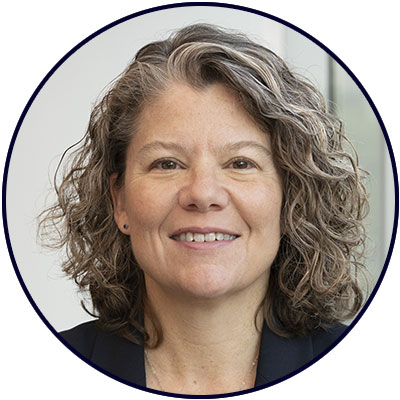
Heidi Rehm is the Director of the Genomic Medicine Unit in the Center for Genomic Medicine and the Chief Genomics Officer in the Department of Medicine at Massachusetts General Hospital, working to integrate genomics into medical practice. She is a board-certified laboratory geneticist and Chief Medical Officer and Clinical Laboratory Director of Broad Clinical Laboratories working to guide clinical genomic testing in medical practice. She is a principal investigator of ClinGen, providing free and publicly accessible resources to support the interpretation of genes and variants. Rehm also co-leads the Broad Center for Mendelian Genomics focused on discovering novel rare disease genes and co-leads the Matchmaker Exchange to also aid in gene discovery. She is a strong advocate and pioneer of open science and data sharing, working to extend these approaches through her role as Chair of the Global Alliance for Genomics and Health. Rehm is also a principal investigator of the Broad All of Us Genome Center supporting the sequencing and omics data generation on a cohort of one million individuals in the US and co-leading gnomAD, the Genome Aggregation Database. She serves as an advisor to the Clinical Pharmacogenetics Implementation Consortium, Danish National Genome Center, Monarch Initiative, CIViC database and Ensembl. She serves journal editor or advisor roles with Genetics in Medicine, Cell Genomics, and Genome Medicine. She received the Scientific Achievement Award from the American Society of Human Genetics in 2022 and the Coulter Award from the Association for Diagnostics and Laboratory Medicine in 2025 and has published over 300 peer-reviewed papers.
Rehm received her bachelor’s degree from Middlebury College in Molecular Biology and Biochemistry. She completed her PhD in Genetics at Harvard University studying the genetic and pathological basis of Norrie Disease, a deaf-blindness syndrome, and served as a postdoctoral fellow at Massachusetts General Hospital and Howard Hughes Medical Institute, expanding her studies into the genetic basis of hearing loss. She also completed a fellowship in Clinical Molecular Genetics at Harvard Medical School followed by board certification by the ABMGG.
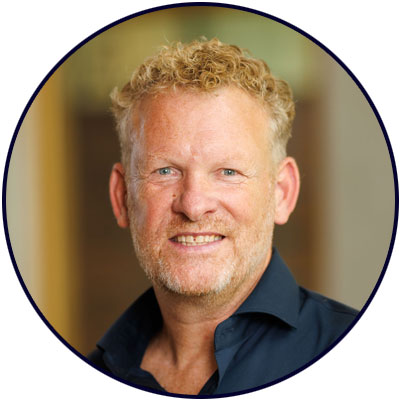
Edwin did his PhD at the Radboud University in Nijmegen, a postdoc at the Netherlands Cancer Institute in Amsterdam and held group leader positions at the Hubrecht Institute and UMC Utrecht, where he still holds a professorship (since 2007) in Human Genetics. He is currently scientific director at the Hartwig Medical Foundation in Amsterdam, a non-profit organization that he co-founded 10 years ago with the mission to improve cancer diagnostics and care through genomics approaches and precision medicine. Since more than 2 decades he has been pioneering next-generation DNA sequencing technology for biological discovery and patient benefits.
Emcee
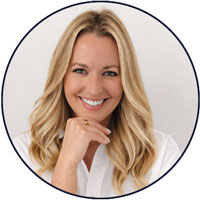
Dr. Alyssa Vito is a translational oncology and clinical development leader dedicated to advancing innovative cancer therapies from discovery through clinical translation.
With more than a decade of experience across discovery research, translational science, and clinical development, Alyssa has helped advance multiple oncology programs from early discovery through first-in-human studies. Her work spans radioligand therapies, immunotherapy, and precision oncology, with a focus on translating complex biology into effective development strategies.
Alyssa previously completed her postdoctoral training at the Ontario Institute for Cancer Research (OICR), working at the interface of academic discovery and translational medicine. A breast cancer survivor and long-time patient advocate, she currently serves on the OICR Board of Directors as a patient representative, helping ensure that patient perspectives remain central to cancer research and innovation.
Speakers
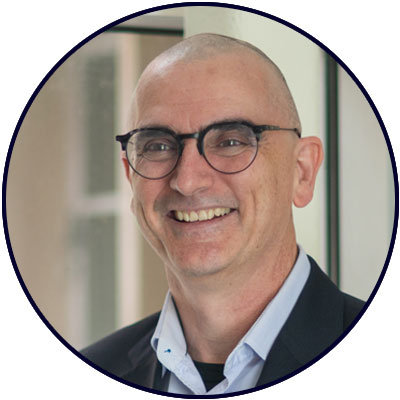
Dr. Bauman is a Radiation Oncologist specializing in Genitourinary and Pediatric Malignancies. He is also a Distinguished University Professor and past Chair/Head (2005-2020) of the Department of Oncology at the Schulich School of Medicine and Dentistry, University of Western Ontario and London Health Sciences Centre in London, Ontario. Dr. Bauman received both his undergraduate and medical degrees from the University of Western Ontario, where he also completed his residency in Radiation Oncology. A clinical fellowship in Radiation Oncology in the area of adult and pediatric brain tumor treatment was completed at the University of California at San Francisco. Dr. Bauman’s primary areas of research interest are multi-modality image guided radiotherapy and cancer imaging. He also serves as the Vice Dean, Clinical Academic Affairs at the Schulich School of Medicine and Dentistry.
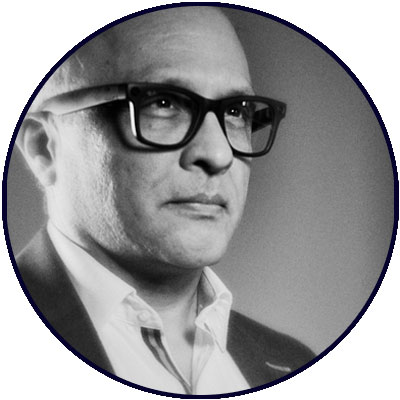
Hugo J. Bohórquez is a theoretical chemist and physicist working at the intersection of quantum mechanics, computational chemistry, structural biology, drug discovery, and machine learning. His research focuses on applying first-principles quantum methods to biologically relevant problems. He received his doctoral training at Dalhousie University.
His early work, including his PhD research, centred on electron charge density as a fundamental link between molecular structure and physicochemical properties, as well as on the quantum-mechanical description of peptide stability and non-covalent interactions. This included the development of new methodologies to extract physically meaningful observables—such as covalent and non-covalent interactions—directly from electronic structure calculations.
During his postdoctoral work at FIDIC, Hugo demonstrated that protein–ligand binding affinities can be computed efficiently using agile quantum mechanical approaches, achieving accuracy comparable to state-of-the-art molecular dynamics methods. This work was further deepened during his tenure at OICR.
For the past four years at OICR, Hugo has led projects addressing key challenges in drug discovery, particularly chemical space exploration and fast, accurate protein–ligand interaction prediction. Through the QuAccel initiative, his work integrates quantum computing–inspired methods and machine learning to achieve experimental-level correlation at a fraction of the computational cost of conventional approaches, with validation through peer-reviewed publications and external experimental testing. He collaborates actively with academic groups in Canada, the United States, and Germany, including the Meiler Lab (Rosetta Commons), on ultra-fast electron density modelling using novel machine learning architectures.
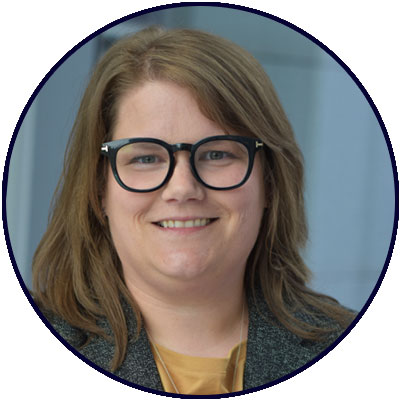
Carla Bossart-Pletzer is one of only four Healthcare Ethics Consultant-Certified (HEC-C) professionals in Canada and among fewer than 920 worldwide, holding the only professional certification for clinical bioethics practice available globally. Specializing in equity, access, and epistemic justice in healthcare and research, she combines lived experience as a Northern Ontario cancer patient with professional credentials in clinical ethics consultation, cultural safety, healthcare leadership, and organizational governance.
As Founding Director of Northern Health Equity Consulting Inc. (NHEC), Carla provides healthcare ethics consultation, research ethics review, and organizational transformation services to healthcare providers, government agencies, and community organizations across the province. Her work focuses on epistemic justice in healthcare settings, examining how geographic location creates systematic barriers to healthcare access and research participation.
Carla serves as a Research Ethics Board Member at Laurentian University/Northern Ontario School of Medicine and holds multiple ethics committee roles including Health Equity Expert for the Canadian Cancer Clinical Trials Network (3CTN) CRAFT 2.0 Steering Committee and Scientific Advisory Committee Member for the Ontario Institute for Cancer Research (OICR) Investigator Awards. Her professional development includes certifications in OCAP principles, San’yas Indigenous Cultural Safety training,TCPS2, and Healthcare Leadership from the Rotman School of Management.
Currently pursuing graduate studies, Carla bridges patient experience with the highest level of ethics expertise to advance authentic community engagement in healthcare and research. She is a member of both the American Society of Bioethics and Humanities (ASBH) and the Canadian Bioethics Society.
Her organizing principle—”Where you live shouldn’t determine if you live”—drives her mission to ensure that healthcare innovation reaches the communities with the highest need.
Tamara Braid, MS, CGC, is a board-certified genetic counsellor and Clinical Program Manager of the Ontario Hereditary Cancer Research Network (OHCRN) at the Ontario Institute for Cancer Research (OICR). She earned her Master of Science in Human Genetics from Sarah Lawrence College in 2017. Prior to joining OICR, Braid worked as a cancer genetic counsellor at NYU Langone Health in New York, and as a laboratory coordinator and paediatric genetic counsellor at the Hospital for Sick Children. Braid is an active member of the Canadian Association of Genetic Counsellors (CAGC), and serves as member and previous co-chair of the Education Committee.
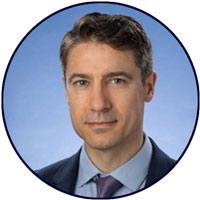
Dr. Bratman MD PhD is Senior Scientist at Princess Margaret Cancer Centre Research Institute and Associate Professor of Radiation Oncology and Medical Biophysics at the University of Toronto. He received his MD and PhD from Columbia University in 2009 followed by postdoctoral research and clinical training at Stanford Cancer Institute. Since joining The Princess Margaret in 2014, Dr. Bratman has served as Staff Radiation Oncologist within the Wharton Head and Neck Centre and has led basic, translational, and clinical research studies on head and neck cancer and circulating biomarkers. Dr. Bratman holds the Dr. Mariano Antonio Elia Chair in Head and Neck Cancer Research at UHN. At CCTG, Dr. Bratman serves as Co-Chair of the Head & Neck Disease Site Group and as a member of the Correlative Sciences/Tumour Biology Executive Committee.
Dr. Bratman’s laboratory is developing and validating blood-based biomarkers for detecting and monitoring the presence of cancer. The team is also interested in leveraging tumour genomics and radiomics data to improve upon curative treatment approaches for head and neck cancers.Dr. Bratman is the lead PI of two Clinical Translation funded projects, one a Pre-CATA project, and one a CATA clinical trial.
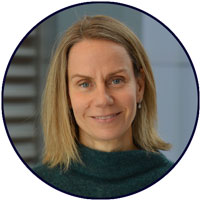
As Director of Adaptive Oncology, Dr. Brazas leads the effort of this discovery research theme at the Ontario Institute for Cancer Research (OICR) to use molecular, imaging and computational tools to transform cancer care. She plays a key role in managing the strategic planning, funding acquisition, and operational activities across Adaptive Oncology.
Since 2021, Dr. Brazas is also the Scientific Director of Bioinformatics.ca, home to the Canadian Bioinformatics Hub (CBH) – a national bioinformatics training and community building program. She champions bioinformatics capacity building and learning opportunities for the next generation of scientists across Canada through CBH’s trainee funding and mentorship programs, partnering with community and career builders, and helping Canada recognize and celebrate its rich talent and research contributions.
She also works to ensure bioinformatics training in Canada remains globally competitive by being actively engaged in international bioinformatics training activities, including as an executive on the International Society of Computational Biology (ISCB), organizer of the Global Bioinformatics Education Summit and as a past executive of the Global Organisation for Learning, Education and Training (GOBLET).
Dr. Brazas completed her PhD in Microbiology at the University of British Columbia and held a research faculty position at the British Columbia Institute for Technology before moving to Toronto.
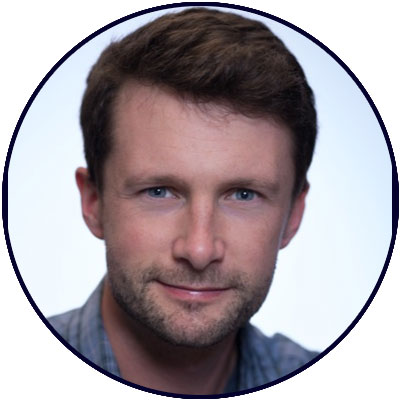
Kieran received his PhD in statistical genomics at Oxford University and was subsequently a Banting postdoctoral fellow at the University of British Columbia and BC Cancer Agency (2017-2019). He is now Principal Investigator & Scientist at the Lunenfeld-Tanenbaum Research Institute, an Assistant Professor in the Departments of Molecular Genetics and Statistical Sciences, University of Toronto, and affiliate faculty at the Ontario Institute for Cancer Research and Vector Institute. His group develops machine learning methods for large scale spatial and single-cell ‘omic datasets to better understand heterogeneity and interactions in cancers and other diseases.
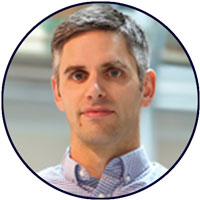
Dr. David Cescon MD PhD is a breast medical oncologist and clinician scientist at the Princess Margaret Cancer Centre. His research program integrates laboratory, translational and clinical studies, focusing on the identification of therapeutic vulnerabilities and mechanisms of drug response and resistance in breast cancer and the integration of liquid biopsy biomarkers.
Dr. Cescon co-chairs the Canadian Cancer Trials Group IND Committee, and the NCI NCTN Correlative Sciences Committee and is the Scientific Director of Clinical Translation at OICR. He is actively involved in the design and execution of numerous breast cancer clinical trials, covering early phase to Phase 3.
In November 2025, Dr Cescon joined OICR as Scientific Director, Clinical Translation, where he is also a PI of a CATA clinical trial.
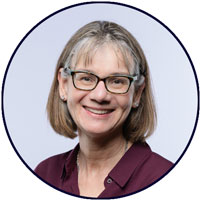
Dr. Feilotter is the Division Head of the Genome Diagnostics program at University Health Network and lead of the Applied Molecular Diagnostics Laboratory at the Princess Margaret Cancer Centre. She is Associate Professor in the Department of Laboratory Medicine and Pathobiology at the University of Toronto, and Professor (Adjunct) in the Department of Pathology and Molecular Medicine at Queen’s University. She also serves as Clinical Lead for Genetic Testing for Ontario Health. These interactions, as well as her role as Co-Lead for Implementation Science and Practice at the Ontario Institute for Cancer Research (OICR) allow her to engage broadly in work related to bringing genomic biomarkers into clinical use.
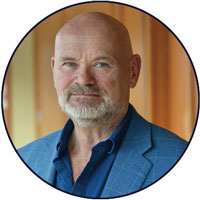
Mr. Peter Goodhand is an experienced executive in health innovation and commercialization including senior leadership roles in the global medical technology industry in the UK, US, and Canada. He is a past President of the Ontario Institute for Cancer Research (OICR) and former President and CEO of the Canadian Cancer Society.
A strategic industry building leader, Mr. Goodhand was a founding Managing Director and past Board Chair of The Health Technology Exchange (HTX), and former President and COO of MEDEC (now Medech Canada). Previously, he served as Committee Chair and Board member of AGE-WELL National Centre of Excellence, Committee Chair of Occupational Cancer Research Centre, and Board Director at MaRS EXCITE (Excellence in Clinical Innovation and Technology Evaluation).
Mr. Goodhand is currently CEO of the Global Alliance for Genomics and Health (GA4GH) and President of GA4GH Inc., a non-profit organization that sets genomics technical standards to enable responsible data sharing across the globe. He also serves on the governance boards of several national and international advisory bodies including co-Chair of the International Health Cohorts Consortium (IHCC) and Chair of the Strategic Advisory Board of the Pan-Canadian Genomic Library.
Mr. Goodhand is also a patient advocate, caregiver and navigator throughout his family’s battle with a rare cancer.
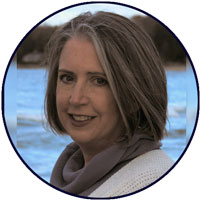
Karen Haas is an experienced leader in knowledge mobilization, research ethics and patient advocacy. She brings over twenty‑three years of experience in pediatric patient and family engagement and advocacy, shaped by her experience as caregiver to her son who was first diagnosed with a malignant brain tumour at the age of two, and later diagnosed with an ultra rare sarcoma as a young adult. As Co-Lead of the ACCESS Knowledge Mobilization Group and Family Chair of the SickKids Research Family Advisory Committee, Karen has contributed to national initiatives in childhood cancer and advanced family engagement in clinical research. She has been part of the small team co-designing accessible microlearning modules for the Ontario Molecular Pathology Research Network (OMPRN) for the past four years and previously served on the Ontario Cancer Research Ethics Board. Karen combines a social science background with an interest in cancer biology. She holds a Knowledge Translation Professional Certificate (SickKids, accredited by the Continuing Professional Development Office, Temerty Faculty of Medicine, University of Toronto).
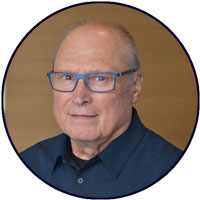
Terry Hawrysh is a cancer survivor committed to improving the quality of clinical care for patients. Utilizing his lived experience with a rare hematological malignancy, he serves as a patient partner and advisor, collaborating with various cancer research institutions, non-governmental organizations, healthcare systems, and government authorities to help ensure the delivery of effective, accessible, equitable, and timely patient-centric care.
He currently serves as the Chair of the Ontario Institute of Cancer Research Patient Family Advisory Council where he provides guidance and actively participates as a patient partner across a wide range of innovative pre-clinical and clinical research themes, programs, and studies.
He also serves as a patient representative to Canada’s Drug Agency’s pan Canadian Oncology Drug Expert Review Committee, and a patient partner to the Ottawa Hospital Research Institute’s Blueprint Translational Research Group and clinical research studies. Additionally, he participates on numerous committees dedicated to achieving superior patient outcomes with various organizations, such as Clinical Trials Ontario, the Leukemia & Lymphoma Society of Canada, BioCanRx, Southlake Regional Hospital, Ontario Health, and CASCADES, which focuses on the implementation of environmentally sustainable healthcare practices and policies
Terry is a professional engineer and holds degrees in engineering from the University of Toronto and Queen’s University (Kingston).
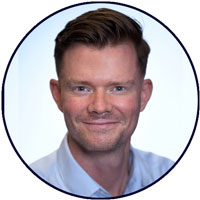
Dr. Jackson is an Investigator at the Lunenfeld Tanenbaum Research Institute, an Assistant Professor in the Department of Molecular Genetics at the University of Toronto, and the Canada Research Chair in Systems Pathology. Dr. Jackson’s work developed multiplexed imaging technologies and analysis methods to study cell organization within tissue sections. Now, the Jackson lab strives to understand tissues and tumours as the integrated outcome of their single-cell components and studies the spatial heterogeneity of pancreatic cancer as a member of the PanCuRx team as an Investigator at the Ontario Institute of Cancer Research. To do so, his team utilizes and develops multiplexed imaging and spatial technologies to simultaneously quantify single-cell phenotypes and markers of their functional state, as well as their interactions, overall organization, and contribution to tissue architecture. These methods facilitate spatially-resolved screening of distinct clones in mouse models of disease and the identification of cell environments associated with clinical outcomes in biobanked patient tissues.
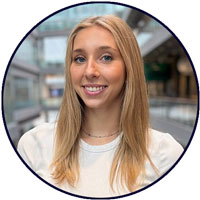
Zoe Klein is a PhD candidate in Computational Biology and Molecular Genetics at the University of Toronto. Under the supervision of Dr. Jüri Reimand at the Ontario Institute for Cancer Research, Zoe’s research focuses on developing machine learning models to predict metastatic cancer phenotypes with genomic and transcriptomic data.
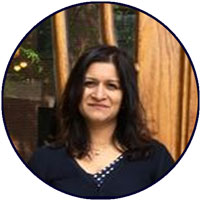
Dr. Sara Kuruvilla MD is an Associate Professor in the Department of Oncology at the Schulich School of Medicine & Dentistry, Western University, and a Medical Oncologist at the Verspeeten Family Cancer Centre, London Health Sciences Centre. She is an Associate Scientist with the London Health Sciences Research Institute and serves as the Medical Oncology Undergraduate Medical Education (UGME) Program Director.
Dr. Kuruvilla’s clinical and research interests span thoracic malignancies and head and neck cancers, with a particular focus on advancing patient-centered clinical care through investigator-initiated clinical trials as well as the generation of real-world evidence to inform oncology practice. An active participant with the Canadian Cancer Trials Group, Ontario Health – Cancer Care Ontario, and the guideline development team of the American Society of Clinical Oncology, she has engaged with collaborators in developing, synthesizing and disseminating evolving standards in the treatment of non-small cell lung cancer. She has been the recipient of several awards and grants, including as co–Principal Investigator on a Clinical Translational OICR supported Window-of-Opportunity trial.
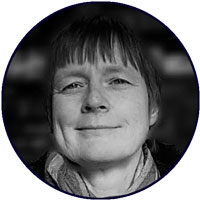
Anne Martel is a Professor in Medical Biophysics at the University of Toronto and a Senior Scientist at Sunnybrook Research Institute where she holds the Tory Family Chair in Oncology. She is also CSO of Pathcore, a digital pathology software company, that she co-founded in 2006.
Dr Martel is a fellow and former board member of the MICCAI Society, a senior member of SPIE and currently serves as a senior editor for the journal Medical Image Analysis
Her research program is focused on applications of machine learning and artificial intelligence for detection, diagnosis, and prediction/prognosis in cancer. In particular, she is interested in developing multi-modal models capable of integrating clinical data, radiology and digital pathology images and genomics data.
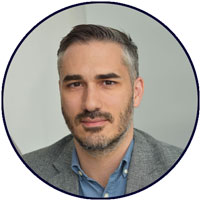
Justin Noble is the Lead for Patient Partnership and New Initiatives at OICR. He has led patient partnership at OICR since 2020, where he is also responsible for equity, diversity and inclusion in research. He holds a Master of Public Health.
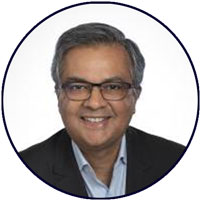
Dr. Amit M. Oza MD is the Medical Director of the Cancer Clinical Research Unit (CCRU) and Director of the Bras Family Drug Development Program (DDP) at the Princess Margaret Cancer Centre and a Professor of Medicine at the University of Toronto. He serves as Co-Chair of the University Health Network (UHN) Clinical Research Collaborative Centre and the UHN Clinical Research Executive. Dr. Oza has served as Principal Investigator or Co-Investigator on more than 150 phase I, II, and III clinical trials in gynecologic cancers and advanced colorectal malignancies. Under his leadership, the gynecologic oncology clinical trials group at Princess Margaret has grown into one of the largest and most productive globally, enrolling more than 200 patients annually and consistently accounting for over 30% of ovarian cancer patients seen at the centre. His group has played a pivotal role in landmark studies that have led to the global approval and adoption of targeted agents such as PARP inhibitors (olaparib, niraparib) and anti-angiogenic therapies (bevacizumab). Over the past decade, Dr. Oza has been Principal Investigator or Co-Principal Investigator on more than 19 research grants awarded by leading national and international agencies including the Canadian Institutes of Health Research (CIHR), the Canadian Cancer Society Research Institute, the Ontario Institute for Cancer Research, the U.S. National Institutes of Health, and the U.S. Department of Defense.
He has published more than 315 peer-reviewed articles and invited contributions in leading journals such as the New England Journal of Medicine (Impact Factor [IF]=79), Lancet Oncology (IF=36), JAMA Oncology (IF=20), Clinical Cancer Research (IF=10), and CA: A Cancer Journal for Clinicians (IF=24).
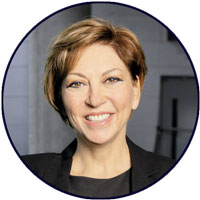
Dr. Micheline Piquette-Miller is a Professor, Associate Dean of Research, and Director of the Center for Preclinical Translation at the Leslie Dan Faculty of Pharmacy, University of Toronto. Micheline earned her BSc. in Pharmacy and PhD in Pharmacokinetics from the University of Alberta, followed by a Fellowship at the University of California, San Francisco. Micheline’s research program focuses on elucidating the pathophysiological and environmental factors that impact drug disposition, as well as advancing the preclinical development of innovative therapeutics and drug-delivery strategies to improve cancer treatment outcomes. She has published over 140 research articles and has received numerous prestigious national and international research awards. She has held leadership roles for several pharmaceutical and clinical pharmacology scientific societies and previously collaborated with the FDA to support updates to industry guidelines on drug-drug interaction studies. She currently serves as chair of the Global Partnerships Committee for American Society of Pharmacology and Experimental Therapeutics and sits on the editorial boards of Drug Metabolism and Disposition, and Pharmaceutics.
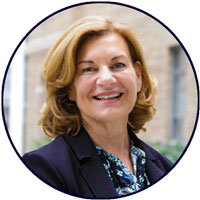
Dr. Linda Penn is Senior Scientist at the Princess Margaret Cancer Centre and a Professor in the Medical Biophysics Department at the University of Toronto. She is also the Director of the University Health Network’s Office of Research Trainees.
Dr. Linda Penn conducted her PhD at the University of Toronto and Hospital for Sick Children with Dr. Bryan Williams, focusing on interferon as an anti-viral. She then pursued her Post-Doctoral Fellowship at the Imperial Cancer Research Fund (ICRF) in London, UK with Drs. Hartmut Land and Gerard Evan to study the MYC oncogene in Cancer. Moving back to Canada, she established her research lab with a focus on i) the regulation and function of MYC in cancer, and ii) evaluating the role of statin drugs as anti-cancer agents.She is a scientific advisor on several national/international review panels, serves on several journal editorial boards and is on the Board of the Terry Fox Research Institute. She has published >150 manuscripts and been honoured with several awards including the Canada Research Chair in Molecular Oncology (Tier 1), Woman-of-Action Award (Israel Cancer Research Fund), Award of Distinction (Leukemia Research Fund), Honorary Doctorate (University of Linkoping, Sweden), Richard Hill Mentorship Award and was recently appointed as a Senior Fellow of Massey College.
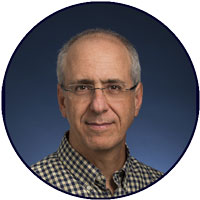
Robert Rottapel MD is a clinician scientist and senior scientist at the Princess Margaret Cancer Centre.
Dr. Rottapel’s laboratory focuses on signalling pathways in immune cells and cancer cells. He has collaborated with geneticists at the Hospital for Sick Children to identify the pathogenic mechanisms underlying new monogenetic autoinflammatory diseases and modelled these disorders in genetically engineered mice. A second area of focus for the lab is the systematic identification of essential genes and pathways in high grade serous ovarian cancer. Several of these genes may have therapeutic potential including the tetraspanin CD151, the RhoGEF GEF-H1and the kinases SMG1 and GCN2. He is a founding member of Northern Biologics focused on the development of novel biologics for cancer.
He is Professor of Medicine, Immunology and Medical Biophysics at the University of Toronto. He has held the Amgen Chair for Cancer Research and the OICR Investigator Award.
Dr. Rottapel obtained his MD at the George Washington University with clinical training at the NIH and UCLA and rheumatology fellowship training at the University of Toronto. He pursued his postdoctoral training with Alan Bernstein and Tony Pawson at the Lunenfeld Research Institute in Toronto.
He serves on the national executive of the Terry Fox Research Institute and is active in a number of civic organizations including the Board of Directors of the Toronto Symphony Orchestra, the Toronto Bach Music Festival and SoundStreams Canada.
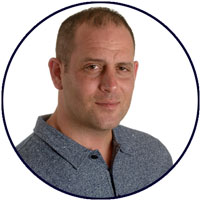
The focuses of the Rullo Translational Chemical Biology research program are directed at integrating the tools of organic chemistry physical biochemistry and immunobiology to develop new molecular approaches capable of interrogating and modulating immune recognition of disease. This research program is founded within the multidisciplinary scientific environments of the Center for Discovery in Cancer Research (CDCR), the Department of Medicine, and the Department of Chemistry and Chemical Biology. Prof. Rullo’s chemical biological scientific training and experience, encompasses the development of chemical strategies and probes to study immunologically relevant biomolecular interactions and modulate the function of macromolecules such as lectins and antibodies. This work also founds the development of new synthetic tumor immunotherapeutic tools including covalent immune recruiting molecules. After obtaining his undergraduate degree in Biochemistry at McMaster University, Prof. Rullo began studying structural carbohydrate chemistry and polysaccharide vaccine development with Mario A. Monteiro during his master’s studies at the University of Guelph. As a doctoral student under the supervision of Mark Nitz at the University of Toronto, he developed fluorescent chemical probes of complex glycosaminoglycan binding interactions, in addition to new carbohydrate directed affinity labeling bio-conjugation strategies. Dr. Rullo conducted his postdoctoral research in David A. Spiegel’s laboratory at Yale, working to develop new bi-functional small molecule-based immunotherapeutic approaches. This yielded the discovery of first in class antibody recruiting molecules capable of targeting highly metastatic cancers in vivo. Prof. Rullo currently serves as associate director of the McMaster Chemical Biology Graduate Program and senior editor at Molecular Cancer Therapeutics (AACR). He is also scientific founder of BICOVA Therapeutics, a biotech company spun out of Rullo lab at McMaster University that focuses on covalent proximity inducing therapeutics in oncology and autoimmunity.
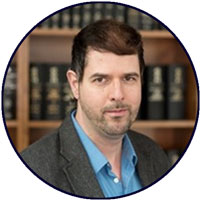
Dr. David Sabatino was born and raised in Montreal, Quebec Canada where he completed his B.Sc. (2002) and Ph.D. (2007) at McGill University in nucleic acid biochemistry under the supervision of Professor Masad J. Damha. As a research fellow, he completed his post-doctoral training with Professor William D. Lubell at l’Université de Montréal in 2010 developing new synthetic methods of peptide mimics.
In September 2010, Dr. Sabatino was appointed faculty in the Department of Chemistry and Biochemistry at Seton Hall University in South Orange, NJ, USA. He also held a joint appointment in the Department of Medical Sciences at the Hackensack-Meridian School of Medicine in NJ, USA, where he engaged in multiple biomedical research collaborations.
In January 2022, Dr. Sabatino joined the faculty at Carleton University in Ottawa, ON, CAN, where he is currently Associate Professor in the Department of Chemistry and Institute of Biochemistry. Dr. Sabatino has also been recently appointed as adjunct faculty in the Department of Biochemistry, Microbiology and Immunology at the University of Ottawa, where he is actively involved in multiple interdisciplinary research collaborations.
Dr. Sabatino has mentored more than 75 students in his research laboratories spanning Seton Hall and Carleton Universities. This includes mentoring undergraduate (50), graduate (7 MSc and 12 PhD) students to their terminal degrees, while co-supervising post-docs (3) in biomedical research collaborations. Dr. Sabatino’s research interests span the areas of nucleic acid and peptide chemical biology. Dr. Sabatino’s research aims to explore the influence of structural modifications on the anti-cancer activity of synthetic biomolecules for drug discovery applications. Dr. Sabatino is co-author of more than 45 peer-reviewed scientific publications, conference proceedings, patents and book chapters. Dr. Sabatino has also co-authored more than 85 presentations at regional, national and international conferences. Dr. Sabatino has received funding support from the federal governments (NIH/NCI, NSERC and CFI) of the USA and CAN for research related to the development of anti-cancer treatment strategies. His research achievements have been recognized and awarded, including a Researcher of the Year Award in 2019 at Seton Hall University. Dr. Sabatino is also acting topics editor of Molecules and Frontiers Chemistry-open access journals, and serves as active member of several scientific associations.
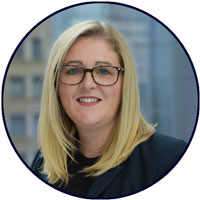
Melanie Spears is the Co-Director and a Principal Research Scientist at the Ontario Institute for Cancer Research in the Department of Diagnostic Development. She co-leads OICR’s Window of Opportunity (WOO) network and is an Assistant Professor in the Department of Laboratory of Medicine & Pathobiology at the University of Toronto. Dr Spears has over 20 years of research experience in molecular pathology using genomic, transcriptomic and spatial proteomic profiling to understand mechanisms of growth, immune evasion and progression within clinical trials. Her research focuses on developing new diagnostic approaches to improve patient diagnosis and treatment decision-making. She is an inventor on an OICR patented assay that predicts a patient’s response to chemotherapy which is currently being developed as a clinical assay.
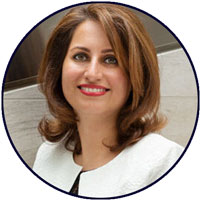
Dr. Parisa Shooshtari is an Associate Professor at Western University and a Principal Investigator at OICR. She received her PhD in Computer Science from the University of British Columbia and completed postdoctoral training at Yale University and the Broad Institute of MIT–Harvard, followed by a Research Associate appointment at SickKids. Her lab develops computational and machine-learning methods for multi-omics data integration and single-cell genomics to uncover gene regulatory mechanisms in cancer and other complex diseases. Dr. Shooshtari is a recipient of the OICR Investigator Award, and her research is supported by NSERC, CIHR, the MS Society of Canada, the Children’s Health Foundation, and OICR.
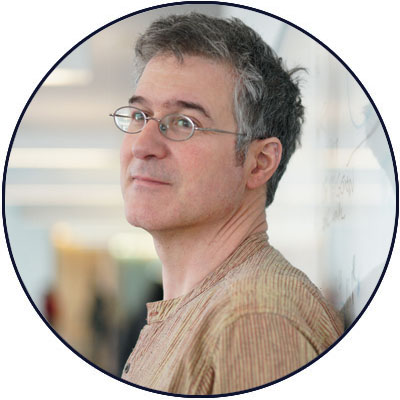
Dr. Lincoln Stein leads the Adaptive Oncology initiative at OICR, which is focused on developing knowledge and approaches to manage cancer in order to enable precise and proactive clinical management.
His current research focuses on using network and pathway-based analysis to identify common mechanisms in multiple cancer types and to devise prognostic and predictive signatures to aid in patient management.
Prior to joining OICR in 2006, Dr. Stein played an integral role in many large-scale data initiatives at Cold Spring Harbor Laboratory and at the Massachusetts Institute of Technology (MIT) Genome Center. He led the development of the first physical clone map of the human genome, and ran the data coordination centre and the data portal for the SNP Consortium and the HapMap Consortium. Dr. Stein has also led the creation and development of Wormbase, a community model organism database for C. elegans, and Reactome, which is now the largest open community database of biological reactions and pathways.
At OICR, Dr. Stein has led several international cancer data sharing and research initiatives, including the creation and development of the data coordination centre for the International Cancer Genome Consortium and other related projects. He continues to collaborate with national and international partners to create and promote data sharing standards, protocols and implementations.
Dr. Stein was named one of the World’s Most Influential Scientific Minds by Thompson Reuters in 2014, a Fellow of the International Society of Computational Biology (ISCB) in 2016, and one of Clarivate’s Highly Cited Researchers in 2020. He was recently awarded the Canadian Cancer Research Alliance’s Outstanding Achievements in Cancer Research Award (2019) for his lifetime of achievements that have greatly advanced the understanding of cancer. He holds a faculty position the University of Toronto.
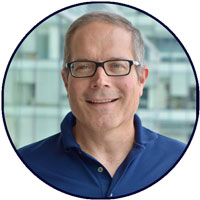
Dr. Uehling is currently the Interim Lead of Therapeutic Innovation at the Ontario Institute for Cancer Research (OICR) where he is involved in the development of small molecule therapeutics for various protein targets relevant to cancer. Having received training as a natural products synthetic organic chemist at UC Berkeley, his interests are geared towards harnessing organic chemistry to advance both basic biology and biomedical fields. Following completion of his PhD studies at Berkeley in synthetic organic chemistry, he continued this line of research throughout his formal training and in professional career. During his postdoctoral research, he pursued studies towards the total synthesis of FK-506 at Yale and Harvard while and developing an affinity probe that was used to first isolate and ultimately characterize FK506 binding protein. Following his formal training, Dr. Uehling joined GlaxoSmithKline where worked as a medicinal chemist for 19 years. There, he served as chemistry project leader teams for compounds that advanced to the clinic including the marketed medicine Tafinlar™ which has been used to treat patients for metastatic melanoma and other cancers. Dr. Uehling joined the Drug Discovery team at OICR in 2009, where he combined his background in medicinal chemistry with an interest in using chemical and other tools to help enable target validation. During his time at OICR, he has had opportunity to help drive numerous research projects arising through collaborations with academic researchers in the Ontario community. Dr. Uehing’s current interest include the discovery of tool compounds and drugs targeting protein-protein interactions and proximity inducing agents for proteins relevant to cancer therapy.
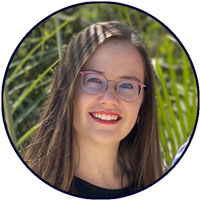
Leigh-Ann Van Strijp, MSc is the Lead, Patient Partnership with the Ontario Molecular Pathology Research Network (OMPRN). She works closely with patients to achieve meaningful engagement across all aspects of OMPRN’s work, finding creative and inclusive ways for patients to be active participants within the network. Drawing on her MSc in Anatomy (histology and cell biology), Leigh-Ann bridges complex molecular pathology and cancer science into clear, accessible information for patients and families. Through her work in patient-centred education, resource development, and public engagement, she has helped shape how complex cancer topics are communicated in ways that support understanding, confidence, and informed participation in care.
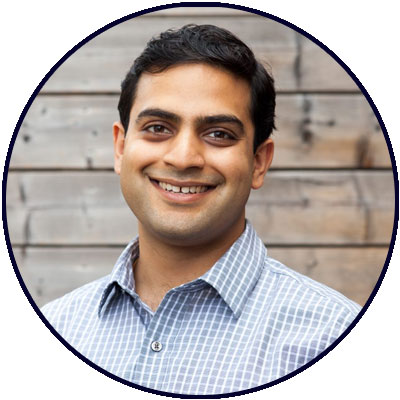
Amol Verma is a physician and scientist in General Internal Medicine at St. Michael’s Hospital and the Temerty Professor of AI Research and Education in Medicine at the University of Toronto. Dr. Verma co-founded and co-leads GEMINI, Canada’s largest hospital clinical data research network, which partners with ~40 hospitals in Ontario, that care for >60% of the province’s population.
Dr. Verma completed medical training at the University of Toronto, a Masters degree at the University of Oxford as a Rhodes Scholar, and research fellowships through the Royal College of Physicians and Surgeons of Canada, the Canadian Frailty Network, and AMS Healthcare. He served on the Council of Canadian Academies Expert Panel on Health Data Sharing, is a Provincial Clinical Lead for Quality Improvement in General Internal Medicine with Ontario Health, and is serving on the Canadian Institute of Health Information’s Expert Advisory Group for Hospital Data Transformation. He is the Chair of the Researcher Council of the Digital Research Alliance of Canada (DRAC) and is a Board Member of DRAC and AMS Healthcare.
He has received numerous awards for leadership, research and teaching, including the Royal College of Physicians and Surgeons of Canada Early Career Leadership Award, the Canadian Institutes of Health Research’s Trailblazer Award in Population and Public Health Research, and the Canadian Society of Internal Medicine’s New Investigator Award.
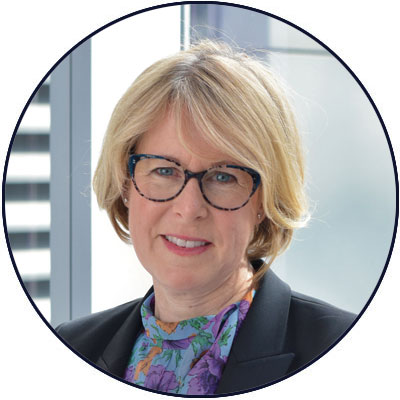
Dr. Christine Williams is an immunologist and currently serves as the Acting President and Head, Implementation Science at the Ontario Institute for Cancer Research (OICR). She is also the Executive Director of ACCESS, the national pediatric cancer research network.
In her leadership role at OICR, Dr. Williams oversees the development and achievement of strategic priorities across the Institute’s translational cancer research programs. Dr. Williams leads engagement and communications strategies with a broad range of provincial, national, and international partners. Through the Implementation Science Program, Dr. Williams helps OICR bridge the gap between research and its use in real-world settings to ensure more innovation impacts patient care.
As the Executive Director of ACCESS, Dr. Williams is leading a multi-stakeholder network to support pediatric cancer research and promote health system change leading to better outcomes and quality of life for all Canadian children with cancer.
Dr. Williams received a degree in Life Sciences from Queen’s University and a PhD in Immunology from the University of Toronto. She did postdoctoral research at Massachusetts General Hospital and Harvard University where she studied the molecular pathways involved in the development of leukemia and lymphoma in children. Prior to her role at OICR, Dr. Williams held leadership positions at the National Cancer Institute of Canada and the Canadian Cancer Society.
Dr. Williams is currently a member of several boards and advisory committees at research, healthcare and community organizations.